Creatine is an amino acid–derived compound that your liver, kidneys, and pancreas naturally produce, and it’s also something you get from red meat and seafood. It’s mainly stored in your muscles and brain, where it’s used to power short, intense bursts of activity by helping replenish ATP — your cells’ energy currency — via phosphocreatine stores.
When you supplement, creatine boosts these phosphocreatine stores beyond what your diet and body can naturally manage, supporting stronger, faster muscle contractions.
Key Roles of Creatine in the Body
• Energy Recycling (ATP production): Improves performance in high‑intensity, short‑duration activities.
• Muscle Growth & Recovery: Supports muscle fiber growth and water volumization.
• Supports Musculoskeletal Health: Helps maintain muscle mass and bone strength as you age.
• Blood sugar control: Creatine can improve glucose tolerance and enhance the movement of glucose into muscle cells, especially when combined with regular exercise.
Why Supplementation Matters
Although your body and diet supply creatine, supplementation helps you reach optimal levels for maximum benefits. Creatine is one of the most researched supplements and is generally safe at recommended doses (3–5 g/day). Myths about dehydration, kidney strain, or cramping have been debunked — though staying hydrated is still important.
Evidence from research
Creatine has been studied extensively in both healthy individuals and those with certain medical conditions. Here’s a summary of what research shows:
• Muscle Strength & Power: Multiple high-quality studies show that creatine supplementation increases muscle strength and power, especially when combined with resistance training.
• Muscle Growth: Creatine helps muscles hold more water and increases training capacity, which over time leads to better muscle growth.
• Recovery: Some studies show reduced muscle damage and faster recovery after intense workouts.
• Blood Sugar Control: Research suggests creatine, especially with exercise, can improve glucose tolerance and help muscles take up sugar more effectively.
• Brain Function: Trials have found improvements in memory, attention, and processing speed — particularly in situations like sleep deprivation, stress, or in older adults.
• Healthy Aging: Evidence supports creatine in maintaining muscle mass and strength as we age, potentially lowering the risk of falls and supporting independence.
• Neurological Benefits: Early studies suggest creatine may support brain health in conditions like Alzheimer’s, Parkinson’s, and depression, though more research is needed.
Who Can Benefit from Creatine?
• Fitness Enthusiasts & Athletes — for improved performance and strength.
• Older Adults — helps counter sarcopenia and support bone health.
• Vegans & Vegetarians — may have lower baseline creatine stores.
• Brain Support Seekers — may aid cognition under stress or in older adults.
• Patients with insulin resistance or at risk for type 2 diabetes — may result in improved glucose uptake which helps regulate blood sugar levels
How to Take Creatine
Loading Phase (optional): 20 g/day (4 × 5 g) for 5–7 days to saturate muscles quickly.
Maintenance: 3–5 g/day to keep stores topped up.
Timing: Any time works; post‑workout may help uptake.
Stay Hydrated: Proper hydration supports comfort and performance.
Possible Side Effects: Mild bloating or water weight during loading.
Consult your healthcare provider if you have kidney or liver conditions, are pregnant, or have bipolar disorder.
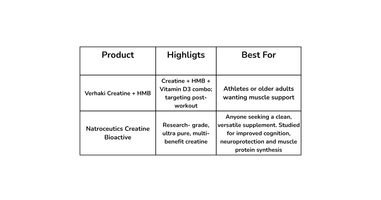
Creatine Products Available at Nutrition Directory:
Verhaki Creatine + HMB 280 g — Creatine monohydrate, HMB, and Vitamin D₃ for muscle preservation and recovery.
- 5 g Creatine Monohydrate
- 1.72 g HMB (β‑Hydroxy‑β‑Methylbutyrate)
- 600 IU (15 µg) Vitamin D₃ (per 7 g serving)
Why it stands out:
- Supports athletic performance, muscle growth, and age-related muscle preservation.
Natroceutics Creatine Monohydrate Bioactive 240 g — Pure creatine monohydrate, simple and effective.
- 5 g of Creavitalis®, a research-grade creatine monohydrate per serving.
Why it’s exceptional:
- Produced in Germany with 99.9% purity, research-grade quality.
- Enhances mitochondrial function, cognition, energy, neurotransmission, recovery, and longevity.
Vegan-friendly, no fillers or artificial additives.